
Currently Empty: $0.00

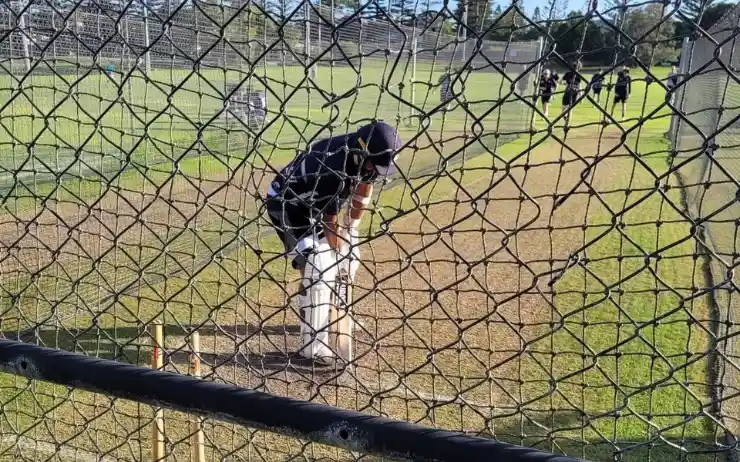
How to Prepare a New Cricket Bat for Match Day: A Four-Stage Net Routine
A step-by-step routine to condition your bat, protect the willow and build match-ready confidence
A knocked-in bat still needs controlled net time before match day. This four-stage routine builds feel, protects the willow and prepares the blade for full-intensity play.
Before You Begin: Get the Setup Right
- Use soft, used Kookaburra balls or a similar quality alternative.
- Train in a controlled net environment, ideally with throwdowns.
Train as you play: use your match grip and stance to build useful muscle memory.
Stage 1: Light Throwdowns (Days 1–3)
Goal: Build feel and control.
- Complete 100 throwdowns per session.
- Play drives, defensive shots and gentle pushes with soft hands.
- Avoid slogging and let the bat rest between sessions.
Stage 2: Moderate Throwdowns (Days 4–7)
Goal: Strengthen the blade and handle.
- Increase to 150–200 throwdowns per session.
- Add glances, cuts and light pulls, prioritising timing over power.
- Inspect the bat for early damage.
Stage 3: High-Intensity Throwdowns (Days 8–12)
Goal: Progress to match-level intensity.
- Build to 200–250 throwdowns per session using soft and semi-new balls.
- Add controlled power shots while keeping your natural footwork, rhythm and shot selection.
Stage 4: Full Nets (Day 13 Onwards)
Goal: Simulate match conditions.
- When the bat responds well and shows no damage, progress to one- to two-hour sessions.
- Mix new and old balls with footwork drills, match scenarios and running between wickets.
- Inspect the bat after every session.
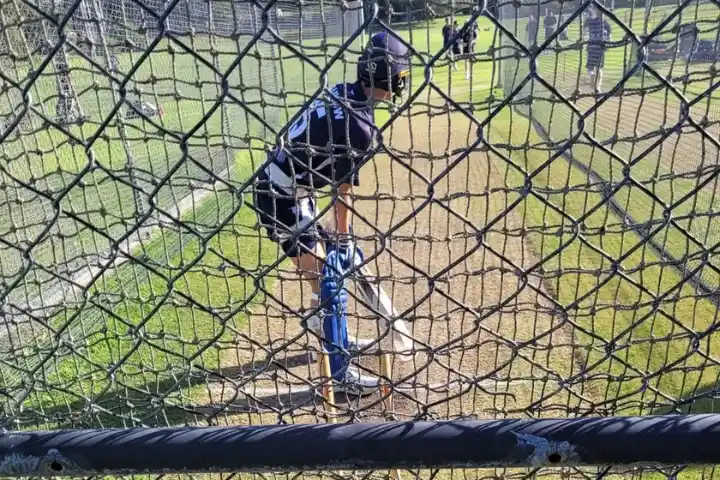

Using a Bowling Machine? Protect Your Match Bat
Keep cheap dimpled, soft or misshapen machine balls away from your match bat. They can cause cracks, toe damage, handle stress and delamination.
Use a dedicated net bat with bowling machines and keep your match bat for suitable ball types.
Bat Care After Every Session
- Wipe away dirt and moisture, then inspect the face, edges and strike zones.
- Oil or wax only when needed; for a natural finish, a light coat every few months is usually enough.
- Store the bat in a cool, dry place—never in a hot car or damp area.
Your Essential Bat Repair Kit
For minor maintenance, keep these essentials handy:
Bat tape, super glue, Shoe Goo, 180- and 220-grit sandpaper, spare grips, a bat cone, scissors and a box cutter or pocketknife.
Pro tip: inspect the face and edges weekly for clues about your form and the bat’s condition.
The Netting Routine at a Glance
| Stage | Volume | Ball Type | Main Focus |
|---|---|---|---|
| Days 1–3 | 100 throwdowns | Soft, used balls | Feel, control and soft hands |
| Days 4–7 | 150–200 throwdowns | Soft balls | Timing, shot selection and inspection |
| Days 8–12 | 200–250 throwdowns | Soft and semi-new balls | Power, footwork and rhythm |
| Day 13 onwards | One- to two-hour net sessions | New and old balls | Match simulation, movement and decision-making |
Final Word
Don’t rush the process. Build intensity gradually, inspect the bat often and give the willow time to adapt. It will be ready when match day arrives.
Need help with bat setup, repairs or custom preparation advice? Contact Surge Cricket for practical guidance tailored to your bat and playing needs.
Tags: LifestyleSport Theme